
Introduction
Pinterest sits just behind Google and YouTube as one of the largest search destinations. In Q2 2025 the platform recorded 578 million monthly active users, up 11% year over year. Unlike social posts that expire quickly, pins can deliver traffic for months or years after they are published.
That long shelf life makes Pinterest a useful channel for websites that have content worth revisiting over time. Whether you run a blog, an online store, or a service business, how to do Pinterest marketing effectively can point new audiences back to specific pages repeatedly.
Below you will find practical guidance on deciding if Pinterest suits your site, building a pool of URLs to promote, choosing keywords, designing attention-grabbing pins, automating production, measuring results, and a 30-day plan to get started — all using the latest Pinterest 2025 trends.
Why Pinterest is different from other platforms
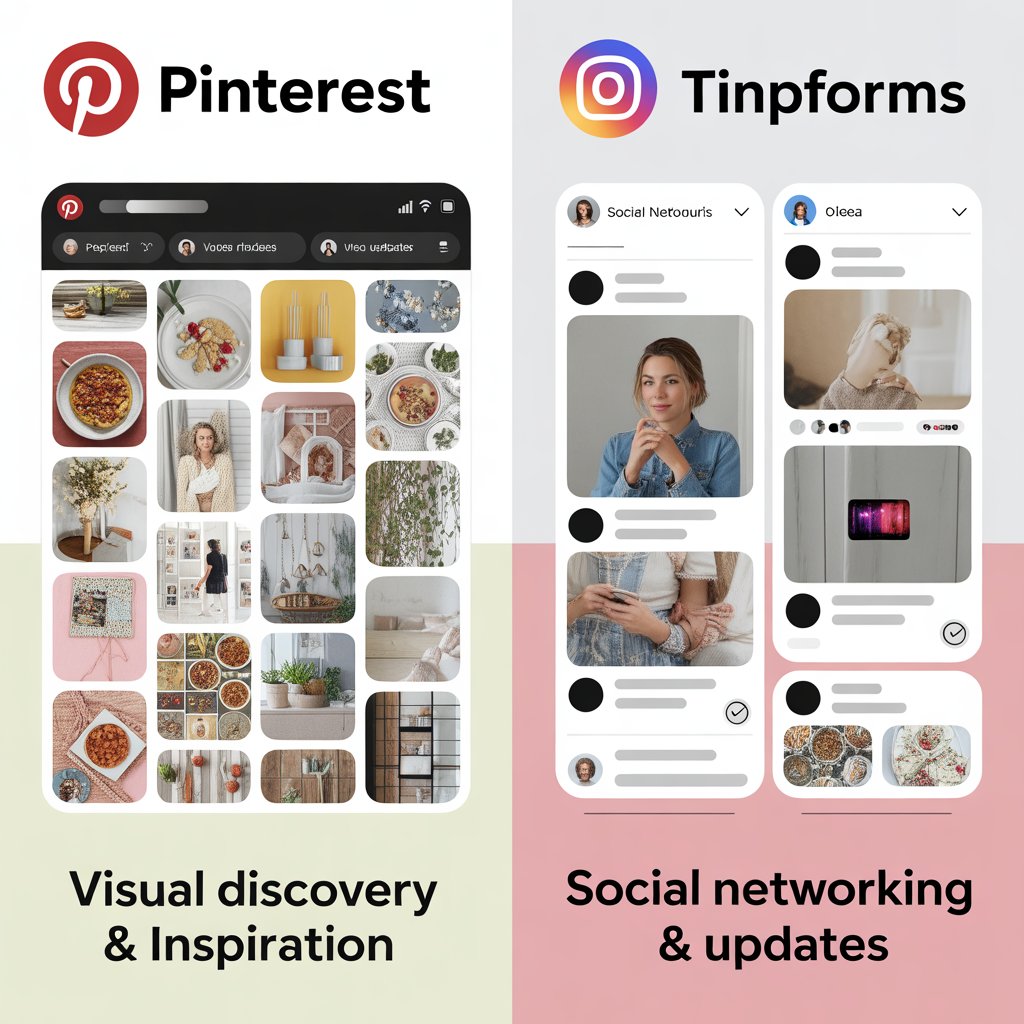
Pinterest behaves more like a search engine than a typical social feed. Users come with intent: they want ideas, products, templates, or tutorials. That intent often translates into steady clicks to external websites — making it a prime source of traffic Pinterest users are actively searching for.
Pins also have a long visibility curve. A single well-optimized pin can continue to surface in searches and related feeds months after publishing. This is unlike most social posts that peak within hours.
Visuals matter on Pinterest, yet the platform matches images to search queries. That pairing of strong visuals and keyword-driven discovery sets it apart. A clear image plus relevant wording can help content reach people who are actively searching for similar solutions — a key part of any Pinterest marketing strategy.
Deciding if Pinterest is right for your website
Pinterest works best for sites that can share multiple links repeatedly. Blogs, ecommerce stores, and service businesses with several landing pages usually see the best results.
Start with at least ten URLs. That number gives you enough material to rotate without appearing repetitive. If you plan to post two fresh links per day, ten URLs allow a sensible rotation.
Even small websites can participate. Add evergreen posts that answer frequent questions, create resource pages, or build simple how-to articles. Those pages become the backbone of your pinning strategy and help Pinterest understand what your site offers. This is especially useful when learning how to do Pinterest marketing.
Building a practical URL pool to promote

Choose a diverse mix of pages. A suggested pool includes:
– Homepage
– About page
– Key service or sales pages
– Resource or FAQ pages
– Several pillar blog articles
This variety appeals to different audiences and serves different stages of the buying or research journey. Rotate links so the same URL is not pinned every day, and spread promotional effort across multiple landing pages. Using a strategic Pinterest marketing strategy ensures consistent growth of traffic Pinterest.
Keyword fundamentals for Pinterest

Pinterest is a search engine that uses words to understand content. Using accurate, descriptive keywords helps the platform match your pins to relevant searches.
Aim for clarity instead of stuffing many keywords into one field. Natural language and plain phrases often work better than clever or vague labels. For instance, direct board and pin names that describe the content will make it easier for the algorithm and users to find your material.
Consistency across profile elements strengthens Pinterest’s confidence in what you publish — a key part of any Pinterest SEO 2025 plan.
Where to place keywords in your profile and pins
Profile name and bio
Include a few core keywords in your profile name and bio. These are prime locations for signaling what your account focuses on. Use terms real users would type when searching.
Board names and descriptions
Boards act like themed containers. Use descriptive board names and clear descriptions. Avoid playful names that don’t describe the content. This aligns with Pinterest SEO tips to improve discoverability.
Pin titles and descriptions
Pin titles and descriptions are crucial. Place your main keyword early in the title, and use supporting search phrases in the description. Keep language readable and helpful.
Text overlays on pin images
Text on the image helps users decide whether to click. Short, clear overlays that match the pin’s search intent perform best. Make sure the copy aligns with the destination page. This is part of effective Pinterest tips and tricks.
How to find high value keywords on Pinterest
The Pinterest search bar is a practical starting point. Type a word or short phrase and note the autocomplete suggestions; these reflect real user queries and can be excellent keyword candidates.
Review related searches on the results page. These show variations and long-tail phrases that capture more specific intent. Pinterest Trends is another useful resource, highlighting popularity over time and seasonal peaks — perfect for Pinterest 2025 trends.
Keep collected keywords in a spreadsheet or document. Revisit your list regularly to add new phrases and remove outdated terms.
Designing pins that attract clicks

Good pin design balances an eye-catching image with clear messaging. Vertical images in a 2:3 ratio work well on mobile and occupy more space in feeds. A resolution such as 1000 x 1500 pixels is commonly used.
Choose high-contrast visuals and large, readable fonts for overlays. Summarize the pin’s value in a few words and match the keywords used in the title or description.
Create multiple pin variations for the same URL. Test designs and double down on those that drive clicks — a practical Pinterest tips and tricks approach.
Tools and automation to scale pin production
Manual pin creation can be time-consuming. Tools that scan a website to pull titles, descriptions, images, and links speed the process. Some provide templates and scheduling so you can prepare weeks of pins in one session.
Even a simple system—batch design, batch scheduling, weekly reviews—makes a major difference. Automation is key in how to do Pinterest marketing efficiently.
How to measure success and iterate
Track both platform metrics and onsite behavior. Monitor impressions, saves, closeups, and clicks. In site analytics, measure traffic from Pinterest, time on page, bounce rate, and conversions tied to those visits — vital for Pinterest SEO tips.
Run controlled tests. Change one element at a time—image, overlay text, or description—to see which adjustments improve click-through rate. Record results in a simple dashboard or spreadsheet. Over time, this builds a repeatable formula.
A 30 day action plan to start driving traffic
Week 1: Account setup and URL selection
-
Optimize your profile name and bio with a couple of keywords.
-
Collect at least ten URLs to promote.
-
Conduct initial keyword research using the search bar and related searches.
Week 2: Pin creation and scheduling
-
Design 20–30 pin variations with clear overlays.
-
Align titles and descriptions with your chosen keywords.
-
Schedule pins across boards consistently.
Week 3: Monitor and optimize
-
Check Pinterest metrics and site analytics twice a week.
-
Pause or adjust pins with low engagement.
-
Create variations for high-performing pins.
Week 4: Scale and refine
-
Increase volume for successful designs and keywords.
-
Add new URLs if fresh content is available.
-
Repeat research, design, and scheduling cycles.
Small, consistent effort over a month establishes momentum and increases traffic on Pinterest.
Conclusion
Pinterest offers a reliable way to send ongoing visitors to your website when content is optimized for search and discovery. Focus on a strong Pinterest marketing strategy, building a sensible pool of URLs, using clear keywords across profile elements, designing readable vertical pins, and automating production. Track results, iterate on what works, and maintain steady publishing. Using these Pinterest 2025 trends, pins can become a continuous source of website traffic.