

What is Organic Search Traffic
Organic search traffic is the stream of visitors reaching your website through unpaid search results. These are the clicks you receive when your content appears naturally in search engines like Google and a user chooses to visit your site. Unlike paid ads, this type of traffic is earned through strategic content creation and effective search engine optimization (SEO strategies), commonly known as SEO.
When people land on your site by typing queries that align with your offerings, you’re capturing organic search traffic. This can include clicks from service pages, blog posts, product categories, or even specialized search features such as recipe rich results or “people also ask” links often shown in search listings. Essentially, any visit generated from unpaid positions in search results qualifies as organic search traffic. This is also known as organic search traffic definition, and the organic search traffic meaning reflects user intent without direct promotion.
Harnessing this kind of traffic requires patience and deliberate efforts to align your content with what people are actively searching for. It often involves a blend of keyword research, content development, and technical website adjustments. A good online keyword research tool can make a huge difference in finding the right opportunities.
Why Organic Traffic Matters for Your Business
Attracting organic search traffic is a cornerstone for business websites aiming to grow their audience without heavily relying on paid advertising. One of the significant advantages is cost-efficiency. While creating content and optimizing it involves investment, it typically costs less over time compared to ongoing ad campaigns.
Beyond budget considerations, organic traffic brings visitors who are actively seeking information, products, or services related to your business. This means these visitors come with intent, increasing the probability of engagement or conversion. By meeting their needs, you build trust and establish your brand as a reputable source in your industry.
Additionally, organic traffic provides valuable insights. Analyzing the search queries that bring visitors to your site helps you understand your audience better. These insights can influence product offerings, marketing messages, and overall business strategy. Google organic search traffic reports can highlight patterns that lead to growth.
How to Monitor Your Organic Search Traffic
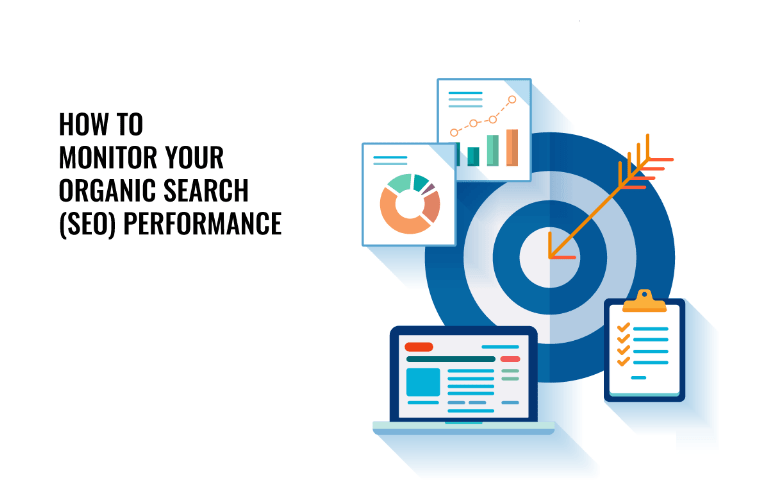
Keeping track of your organic search traffic is essential to gauge your website’s performance.
Tools like Google Analytics and Google Search Console are fundamental for this purpose. In Google Analytics , you can find organic traffic data under Reports > Acquisition > Traffic Acquisition, where organic visits are distinguished from other traffic types, including organic search vs direct traffic. Most search traffic will come from dominant engines like Google, but don’t overlook sources like Bing, Yahoo, DuckDuckGo, and regional search engines if your audience is global. These reports show which pages attract visitors, how engaged they are, and whether they complete desired actions such as signing up or making a purchase.
Ten Essential SEO Strategies to Boost Organic Traffic
Improving your organic traffic involves a variety of SEO strategies and techniques, each targeting different aspects of how search engines evaluate and rank websites. Here are ten key tactics:
1. Keyword Research and Search Intent: Identify topics and phrases your audience uses. Match your content to what they intend to find, ensuring relevance. Use a keyword research tool, especially for platforms like keyword research YouTube, keyword research Etsy, or keyword research for Google Ads.
2. Content Quality and Consistency: Maintain a fast, error-free website with clear navigation and readable content to satisfy visitors and search engines alike.
3. User Experience (UX): Maintain a fast, error-free website with clear navigation and readable content to satisfy visitors and search engines alike.
4. Security and Technical SEO: Use HTTPS, fix broken links, and resolve site errors to ensure your site is trustworthy and crawlable.
5. Mobile Friendliness: Guarantee your site works seamlessly on all devices for accessibility.
6. Link Structure: Build backlinks for SEO from reputable external sites while optimizing internal links. Use a backlinks checker, backlinks tool, or backlinks indexer to monitor. Try tools like backlinks generator free, or hire a backlinks provider or backlinks creator to generate backlinks your website.
7. Image Optimization: Use descriptive file names and alt text, keeping images’ size optimized for quick loading.
8. Local SEO: For brick-and-mortar businesses, maintain accurate local listings and encourage customer reviews.
9. Social Signals: Maintain active social media profiles to support your content’s reach and engagement.
10. Meta Descriptions: Craft compelling and clear meta descriptions that improve the chance of clicks from search results.
Understanding SEO Strategy and Process
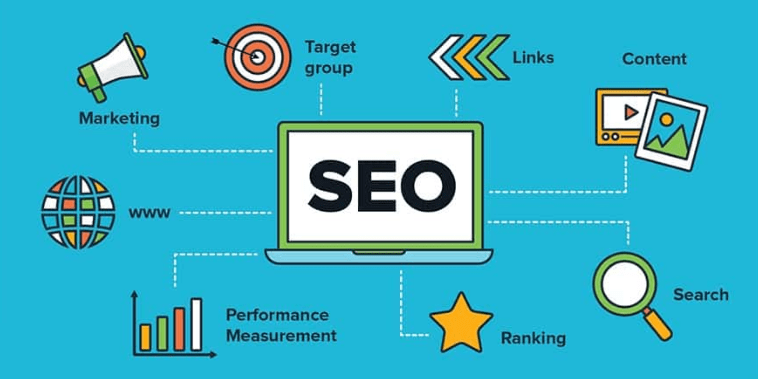
So, what is SEO strategy? It refers to the comprehensive plan that includes using keywords, links, technical setup, and quality content to improve rankings. The SEO strategies meaning and the SEO strategy in digital marketing focus on long-term efforts and not short-term gains.
To use an effective SEO strategy, follow a clear keyword research process, understand keyword research meaning, and review keyword research definition and keyword research example to refine your method. These examples of SEO strategies and SEO strategies for digital marketing lay the foundation for growth.
Stage One - Building a Repeatable Traffic Acquisition Strategy
Focus on evergreen content, using keyword research SEO and long-tail keywords via a keyword research website or keyword research Google. Match it to content that solves real problems.
The foundation of steady organic traffic lies in a repeatable strategy. Rather than relying on fleeting viral spikes or paid bursts, focus on creating evergreen content that remains relevant over time. Such content steadily attracts visitors and compounds its value.
Think of it like learning an instrument. Simple tricks get you started, but mastery requires foundational skills and consistent practice. Similarly, adopt evergreen content targeting topics your audience will search for regularly, driving continual growth rather than temporary bursts.
A strong strategy involves identifying the right types of content that align with your audience’s ongoing needs and choosing search engines and platforms most appropriate for your traffic sources.
Stage Two - Executing Effective SEO Tactics
Optimize your website’s structure and authority. This includes how to create backlinks, understanding backlinks explained, and knowing backlinks how to get them. You can use a backlinks builder, backlinks generator, or backlinks maker for this.
This stage centers on tactical SEO efforts designed to optimize your website and content for better search rankings. It involves four critical components:
Keyword Research and Choosing Valuable Keywords
Begin by assembling a broad list of keywords related to your niche. Tools can help discover search volumes and competition levels. Prioritize keywords that have steady demand and that you realistically can rank for, based on your website’s current authority. Above all, ensure these keywords represent potential customers interested in what you offer.
Matching Searcher Intent with Your Content
Understanding what visitors expect when they search a term is vital. If someone looks for pricing details, provide answers quickly and clearly. Then go further to address related questions they might have. Filling in these gaps makes your content comprehensive and more useful, improving its ranking potential.
The Importance of Backlinks and Building Authority
Backlinks from other trusted websites signal to search engines that your content is valuable. Start building links to your homepage through tactics like podcast interviews, guest posts, and getting listed in niche-related “best of” pages. Over time, work towards obtaining links to specific content pages fitting these strategic keywords.
Optimizing Site Structure with Internal Linking
Your website’s internal links connect pages together, distributing the ranking power backlinks bring. A well-planned structure helps visitors navigate easily and allows crawlers to discover all pages. For example, a page about guitar chords should internally link to individual chord tutorials, spreading authority throughout the site.
Stage Three - Diversifying Your Traffic Sources for Stability
Avoid relying solely on organic. But even when using social media or email, keep optimizing your organic side using using SEO strategies and adopting new SEO strategies in 2025 or SEO strategies 2025.
Relying solely on one source for traffic creates risks. Algorithm changes or platform policies can suddenly reduce traffic overnight. Once your SEO-driven traffic becomes consistent, start experimenting with additional platforms that your audience frequents.
This diversification might include social media channels, email marketing, video platforms, or niche communities. Select sources where your audience spends time and that offer efficient return on effort. Repurpose your existing content to fit these formats. For instance, a blog post can become a video script or a series of social media posts.
Test each new channel carefully, learn what works, and focus your time accordingly. This approach broadens your reach and protects your traffic against unforeseen changes.
Conclusion and Next Steps for Sustainable Traffic Growth
Succeeding with organic search traffic involves mastering keyword targeting, understanding how do backlinks help SEO, and applying modern SEO strategies and techniques. Stay current, monitor trends, and use the right tools to stay competitive in the evolving landscape of digital marketing.
Growing organic search traffic is a multifaceted journey that takes time, effort, and careful strategy. Begin by building a strong foundation through evergreen content and a proven traffic acquisition approach. Then apply focused SEO tactics, including thorough keyword research, intent matching, backlink building, and site structure optimization.
Finally, diversify your traffic sources to reduce risk and open opportunities for even greater growth. Keep monitoring your analytics to adapt and refine your strategies based on actual user behavior and search trends.
Consistently producing quality content, maintaining technical health, and engaging your audience are all part of this ongoing process. Over time, this structured approach unlocks steady, predictable, and scalable organic traffic that drives business success.