Introduction
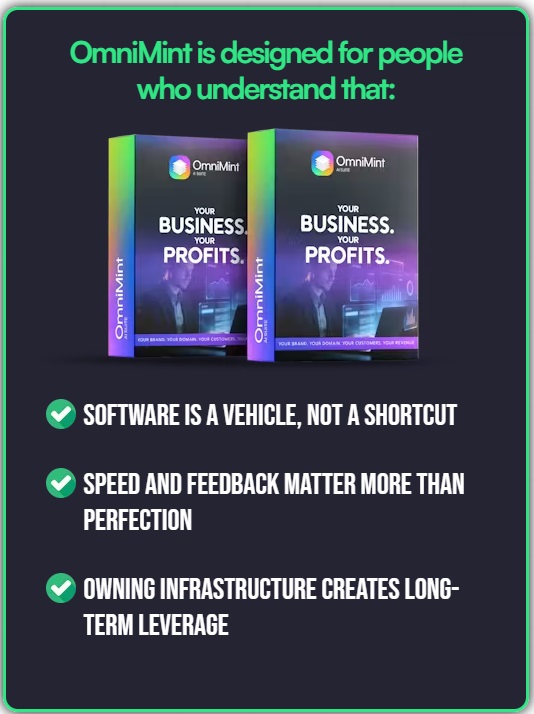
OmniMint AI arrived on the market as a multi-purpose platform for creating and monetizing online content. It targets marketers, creators, and entrepreneurs who want to produce market-ready materials quickly. The promise is simple: combine artificial intelligence with automation tools to reduce time spent on repetitive tasks.
Many users evaluate such platforms by testing real workflows: how easy it is to create a product, whether the output needs heavy editing, and how monetization fits into daily operations. This review compiles practical observations from hands-on use and compares them with the product claims.
Short summary: OmniMint AI focuses on asset creation, reuse, and monetization from a single dashboard.
Overview of OmniMint AI

OmniMint AI is a cloud-based software suite that centralizes content generation, asset minting, and conversion-oriented templates. It packages multiple AI modules under one account, targeting both beginners and more experienced marketers. The interface is designed to reduce the learning curve while still offering higher-level options for scaling output.
The concept rests on building reusable assets. Instead of producing one-off articles or ads, the platform helps users craft templates, sequences, and packaged materials that can be repurposed across projects. That reuse model aims to support steady revenue streams rather than one-time outputs.
Cloud delivery means you can access the platform from any device with internet access. That flexibility supports remote teams and freelancers who work across multiple machines.
How OmniMint AI Works
Using the platform is straightforward. Log in, choose the module for the content type you need, provide a prompt or basic instruction, and let the system generate output. The dashboard organizes modules by purpose—content, marketing material, and asset minting—so you don’t waste time searching for the right tool.
Prompts can be short. You might enter a topic and a target audience and receive a draft ready for review.
Many outputs are usable as-is for social posts, landing pages, or email sequences. Some editing is often required for brand voice and factual precision.
Asset minting is the next step. Once you have a piece of content or a template, the platform lets you convert it into a reusable asset with specified permissions and monetization settings. That workflow is particularly useful when producing content at scale or creating products for resale.
Automation features let you chain tasks. For example, generate a blog post, extract key points for social updates, create an email sequence, and package everything into a monetizable product—automated steps reduce manual handoffs.
Key Features

Advanced AI Content Creation
The content generator handles blog posts, reviews, landing pages, ad copy, and email sequences. Output reads in natural, human-like language and is optimized for search engines when requested. Templates cover a variety of marketing objectives such as lead capture, promotion, and product descriptions.
Content quality is generally solid for first drafts. Expect to tweak headlines, calls to action, and unique value propositions to match specifics of your offer or brand voice. That extra step makes the final output more effective.
AI Asset Minting System
A central differentiator is the minting system that turns content into reusable assets. You can package templates, sequences, and product files, then assign usage rules. These assets can be used across client work, personal projects, or sold as products.
This approach shifts focus from creating one-off items to building a library of monetizable resources. It’s handy for agencies and freelancers managing multiple campaigns.
Built In Monetization Focus
Monetization functions are integrated into the workflow. Templates are structured to support conversion paths such as affiliate promotions and direct sales. The software provides prompts and frameworks aimed at revenue generation rather than purely informational content.
Users should align prompts with their conversion goals to get the best return. The platform supplies building blocks; strategic placement and testing remain the user’s responsibility.
Automation and Scalability
Automation lets users scale production without a linear increase in workload. Routine tasks like content generation, formatting, and asset bundling can be scheduled or triggered through the dashboard. That reduces bottlenecks when managing multiple campaigns.
Scalability is most effective when paired with a clear content plan and consistent review process. Automation speeds up output, but quality control is still necessary.
Beginner Friendly Dashboard
The interface is clean, with labeled modules and guided steps. New users can complete initial projects without heavy technical skills. Short tutorials and prebuilt templates help flatten the learning curve.
Advanced users also benefit because they can skip tutorials and access deeper settings for finer control over output and monetization parameters.
Benefits of Using OmniMint AI
OmniMint AI provides a consolidated environment for producing and monetizing assets. Combining content creation and asset management in one place saves time compared with switching between multiple tools. The ability to generate monetization-oriented templates helps bridge the gap between content creation and revenue generation.
One-time purchase options during launch reduce recurring expenses for early adopters. That pricing model appeals to users who dislike subscription overhead.
The platform is approachable for global users and supports beginners who lack technical experience. At the same time, the reusable asset model supports freelancers and agencies that need to deliver repeatable results.
Short paragraph.
Useful for semi-passive income approaches.
Limitations and Considerations

Internet access is mandatory. Offline workflows are not supported, which may be a constraint for users with unreliable connections. Advanced features are gated behind one-time upsells (OTOs), so budget planning is necessary if you need full functionality.
The platform produces strong drafts, but the best outcomes require some marketing knowledge. Users who expect turnkey profits without testing, funnels, or follow-up will be disappointed.
There are also considerations around originality and voice. AI-generated drafts often need human editing to ensure brand consistency and factual accuracy. Use the system for volume and structure, then customize for quality.
Pricing and OTO Upgrades
During launch periods, the base package often appears with a single payment price. That front-end version includes core AI capabilities, basic automation, and limited commercial rights. The one-time cost can be attractive compared with monthly alternatives.
Upsell offers expand asset rights, unlock advanced automation, and add premium templates. Those OTOs provide additional value for users who plan to scale operations or sell heavily. Evaluate your needs before committing to upgrades; small projects may not require advanced packages.

Who Should Use OmniMint AI

This platform suits affiliate marketers, bloggers, and SEO writers who need regular content and conversion-oriented templates. Freelancers and small agencies can benefit from the asset minting system to package and resell work. Beginners launching online projects will find the guided dashboard helpful.
Creators aiming to build semi-passive income models through repeatable products will find the platform supportive. The combination of automation and monetization features makes it practical for sustained content programs.
Who Should Avoid OmniMint AI
Users expecting instant profits without any effort are unlikely to see results. People unwilling to learn basic marketing principles or test conversion pathways should look elsewhere. Also, businesses that operate entirely offline or lack reliable internet access should avoid this cloud-only tool.
If your work demands highly specialized, technical writing or sensitive data handling without external processing, consider dedicated human teams or private on-premises solutions.
Getting Started and Best Practices
Start with a small pilot project. Create one asset, test it in the market, and measure results. Use a simple funnel: landing page, email sequence, and follow-up content built from platform templates. Track conversions and tweak messaging based on performance metrics.
Develop a review process. Even the best AI output benefits from human oversight for voice, accuracy, and compliance. Establish style guidelines to ensure consistent brand tone across assets.
Organize assets from day one. Tagging and categorizing templates and sequences makes reuse easier. Maintain a central repository for monetizable materials and document usage permissions to avoid licensing confusion when reselling.
Short tip: test different offers and measure.

Final Verdict
OmniMint AI is a practical toolkit for users who need to create and monetize content at scale. It combines AI writing with asset management and built-in monetization workflows. For marketers, freelancers, and small teams focused on repeatable revenue models, the platform offers good value—especially when purchased at a one-time launch price.
It is not a stand-in for strategic planning or human expertise. To get the most from the platform, couple it with basic marketing knowledge, testing routines, and clear quality control. For those willing to put in that work, OmniMint AI can speed production and simplify the path from idea to monetizable product.