When stepping into the world of online business, one of the first — and most important — decisions you’ll face is choosing the right business model. The truth? There’s no one-size-fits-all approach. Your choice should depend on your strengths, goals, resources, and preferred work style.
In this article, we’re breaking down five powerful partnerships and business models you can start with today — each with its own advantages, risks, and profit potential.
Chapter 1. Software Development & Launch
What It Is
Building a tool, app, or software that solves a problem for businesses or marketers.
Why It Works
People love tools that save time, increase productivity, or boost revenue. With the right problem-solving angle, software products can generate six figures — even without affiliates or partnerships.
What to Watch For
- High upfront cost and long development time
- Launches require serious prep: affiliates, prize money, full funnels
- Big rewards, but also higher risks
🧠 Pro Tip:
If you’re technical or have access to reliable developers, this can be a goldmine. But expect 2–6 months before your product sees the light of day — consistency and discipline are key during this development period.
Chapter 2. Information Marketing Products
What It Is
Selling digital training: PDFs, videos, webinars, reports, or templates in niches like email marketing, SEO, or productivity.
Why It Works
- Quick to create
- Low cost to produce
- High profit margin
- Flexibility to launch anytime
There are two types of info product creators:
- The Independent Marketer who builds their own traffic and keeps all the profits.
- The Affiliate-Focused Marketer who builds products for launches, using a network of partnerships to scale fast.
Just Do It or Plan It?
You can either “Just Do It” — launch to your list and get feedback now — or “Plan It” with a full launch, partnerships strategy, and pre-launch buzz. Both methods work, depending on your goals and audience.
Bottom Line:
You can create and sell an info product in a matter of days. If you enjoy teaching or packaging knowledge, this model is perfect. Just remember, consistency beats intensity — regular value builds trust over time.
Chapter 3. PLR (Private Label Rights)
What It Is
Creating or reselling content others can rebrand and sell as their own.
Why It Works
- Fast content creation
- Recurring revenue from memberships
- Great for building a niche authority quickly
Caveats:
- The market is crowded and tight-knit
- Buyers are mainly resellers, not end consumers
- You must offer high-quality, unique PLR to stand out
💡 Insider Tip:
To compete in this space, offer added value: templates, voiceovers, checklists, or high-quality design. Constructive feedback from your buyers will help you refine and innovate.
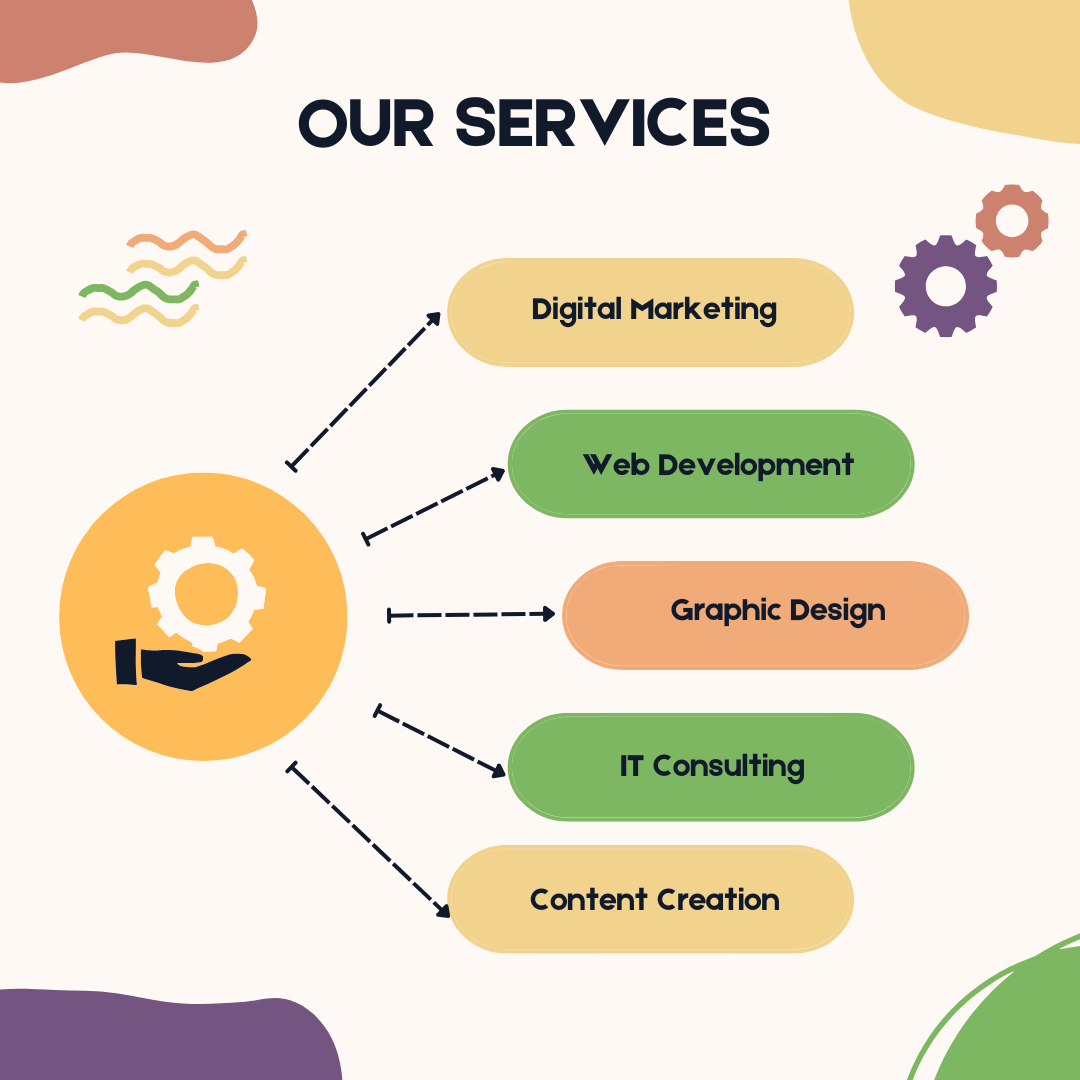
Chapter 4. Services (Copywriting, Design, Ads, etc.)
What It Is
Providing done-for-you services to businesses or marketers — even if you outsource the actual work.
Examples of What You Can Offer:
- Copywriting
- Funnel building
- Ad management
- Graphic design
- SEO or content marketing
Why It Works:
It’s a high-ticket model that can generate $3,000–$10,000+ per client. You can even blend this into your info product funnel as a backend offer.
Pro Tip:
You don’t need to be the expert. You can build a partnerships team and outsource while managing the client relationship. It’s a smart way to scale without burning out.
Chapter 5. Coaching & Consulting
What It Is
Offering strategic guidance in group or one-on-one formats — online or via email/chat.
Why It Works
- High-ticket, low overhead
- Can be run without affiliates, products, or even a website
- Leverage your expertise and deliver real results
Examples:
- $197/month coaching via FB or email
- $497–$1,997 for group coaching over 8–12 weeks
- $997–$5,000+ for high-ticket private programs
🧠 Best Part?
You don’t need thousands of clients. Just 43 clients at $197/month = a six-figure income. With the right feedback mechanism, you can fine-tune your offer for maximum impact.
Which Business Model Is Right for You?
Let’s recap with a side-by-side look:
Business Model | Pros | Cons |
Software Development | High income, scalable, evergreen | High cost/time, launch stress |
Info Products | Fast, flexible, full control | Traffic needed if no partners |
PLR | Easy to scale, recurring revenue | Tight market, lower EPCs |
Services | High-ticket, great margins | Requires ongoing delivery |
Coaching & Consulting | High-profit, flexible delivery | Needs authority and social proof |
Final Thoughts: Start Where You Are
There’s no “best” business model — only the one that fits you. If you love teaching, create info products. If you’re a systems thinker, try software. If you’re a people person, coaching might be your zone. You can always shift later — or even combine models.
💡 Pro Tip: Focus on just one model and go deep. You don’t need ten revenue streams — just one that works. That’s the power of consistency over intensity.
Ready to Start?
The next step after choosing your model is to build real partnerships, plan your launch, and collect real-time feedback to iterate fast. But before that, comment below and let me know:
👉 Which business model are YOU leaning toward?
Chapter 7. The Breakthrough Path (Bonus Module Overview)
Let’s get real for a minute.
You’ve now read dozens of pages packed with strategies, lessons, tools, models, and real talk about what it takes to build (or rebuild) an online business. But information is only part of the equation. What turns this into a breakthrough is implementation — and, more importantly, consistency.
Most people don’t fail because they lack skills or resources. They fail because they don’t know what to do next, or they get overwhelmed trying to do everything at once — with no feedback mechanism to guide or correct them.
That’s why this chapter introduces The Breakthrough Path — a simplified action plan designed to take you from zero to consistent income, using a clear, focused roadmap rooted in real partnerships, smart testing, and discipline.
Phase 1: The Foundation – 7 Days to Launch
You don’t need months to get started. You need 7 consistent days with focused action.
Day 1: Choose your model.
Pick ONE money model: Services, Funnel Building, Content Creation, Repeatable Product, or Recurring.
🔑 Stick with it for 30 days — because consistency beats intensity every time.
Day 2: Decide your niche.
Use the research methods we covered earlier: polls, short reports, FB groups.
Avoid guessing. Focus on where demand and reciprocation are visible.
What is reciprocation in this context? It’s when people are willing to engage, share, and eventually buy — because they see value in what you’re offering.
Day 3: Build your offer.
It could be a funnel service, a PLR pack, a coaching program, or a video course — whatever you committed to in Day 1.
Remember: Done is better than perfect. Speed with feedback wins over perfection without action.
Day 4: Set up your funnel.
Use templates. Keep it clean. Deliver the offer.
✅ One opt-in page
✅ One thank-you page
✅ One upsell page (optional)
Your funnel is not just a delivery system — it’s a feedback mechanism for learning what converts.
Day 5: Build authority on social.
Post something of value on your profile.
Comment on 10 posts from other marketers.
Offer your new product/service for constructive feedback.
The more visible and consistent you are, the more your brand and partnerships begin to form naturally.
Day 6: Make connections.
Message 10 potential customers, affiliates, or collaborators.
Build real partnerships — don’t pitch cold. Use the principle of reciprocation.
Try this: “I just created something new. Would love some honest feedback if you have 2 minutes.”
This approach creates goodwill and opens the door for partnerships and collaborations.
Day 7: Launch something.
Don’t overthink it. It could be:
- A $7 report
- A free PDF with affiliate links
- A small service bundle
The goal? Feedback + momentum. This is your consistency example in action — showing up, launching, iterating.
Phase 2: Build Your Brand – 30 Days of Presence
Once you’ve launched, your job is to stay visible and build credibility through consistency.
Here’s your simple monthly structure:
- ✅ 1 Live Video/Week – Teach, share a tip, or answer a common question.
- ✅ 3 Value Posts/Week – Tips, results, short stories. Show up.
- ✅ 1 Offer/Week – Alternate between your core product and affiliate offers.
- ✅ 1 Email/Day (if you have a list) – Short, actionable, and personal.
Think of each action as part of your consistency principle — building trust, brand, and audience loyalty over time.
Phase 3: Scale with Intention – 90 Day Plan
You’ve launched. You’re visible. You’ve made early sales.
Now it’s time to scale — not by doing everything, but by doing more of what works.
Choose one:
- Launch a higher-ticket version of your product
- Start a membership based on your core offer
- Bundle and promote for quick cashflow
- Reach out to affiliates for joint promotions
- Use paid ads after validating offers organically
💡 Track everything. Don’t scale blindly. Use feedback examples to improve your message, funnel, and offer over time.
Chapter 8. The Final Word: It’s Your Turn Now
Let’s keep it simple.
You won’t win this game by sitting on the sidelines. No successful marketer did.
The real difference between those earning consistently and those still stuck isn’t money, tools, or time — it’s consistency over intensity, every time.
You now have everything:
- A real model
- An actionable plan
- Tools
- Strategy
- Case studies
- And most importantly — a consistency framework you can repeat
💡 Consistency wins — not perfection. Not hustle. Just focused, repeated action over time.
So build that offer. Send that message. Ask for that constructive feedback. Form meaningful partnerships. Launch small, scale smart.
Even if you start slow — you’re starting.
Even if you mess up — you’re learning.
Even if people don’t respond right away — you’re still building.
Keep going.
Hey
I’ve got something for you today — 100% free.
No optin, no upsell, no catch.
It’s called Project Restart, a report I personally wrote — no AI, no ghostwriters.
At the time, I created it for marketers who were stuck, unsure of their next move, or wanting to get back on track fast.
Everything in it is still just as relevant today.
Read it, take action, and you’ll have a clear plan to move forward.
To Your Success,
P.S. Even if you only take one idea from this, it could restart your entire business.
Adym