Most new Instagram accounts treat hashtags like a magic switch: add a few popular tags, hit post, and wait for the views. The result is usually silence.
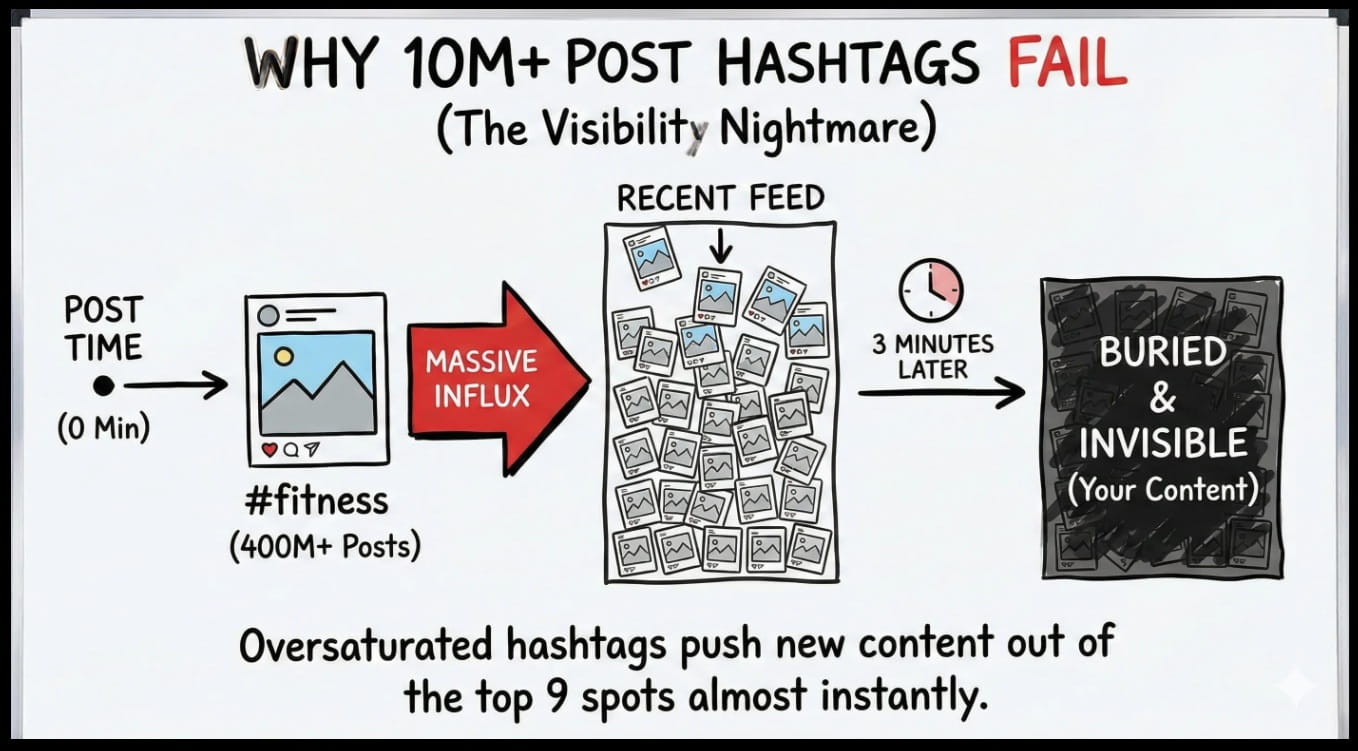
The problem is scale. If you attach your post to the single-word hashtag everyone in your niche uses, you are placing your content next to millions of other posts, many from established creators and brands with years of engagement history. Your post is technically “in” the hashtag, yet practically invisible.
It feels like marketing. It often behaves like hiding.
Understanding Hashtag Competition Through Real Post Counts
Hashtag competition becomes obvious when you look at real post counts instead of guessing.
Some headline hashtags are so large that a new post has almost no chance to sit near the top long enough to be noticed. Real estate, gym motivation, and recipe-related tags can range from tens of millions to well over a hundred million posts. That is not a crowded room. That is a stadium.
The key detail is that two niches can look equally “huge” from the outside and still behave very differently once you map their smaller related hashtags. A niche with a big head term can still be viable for a new account if it has many smaller, related tags where people actually browse and where posts do not vanish instantly.
Numbers change the conversation. They turn “this feels saturated” into “this has no workable entry points.”
How to Evaluate a Niche Using Long Tail Hashtags
A practical way to judge a niche before committing is to measure its long tail.
The rule is simple: count how many related hashtags sit under 50,000 posts. If you can find fifteen or more legitimate related tags below that threshold, the niche usually has enough smaller rooms to be seen in early on. If you find fewer than five, growth depends heavily on unusually strong content from day one, because distribution through hashtags will be limited.
This matters even if your content is good. A new account is still building signals: watch time, saves, shares, profile visits, and consistent engagement patterns. Smaller hashtags give you a place to earn those signals without competing against accounts that have already trained the algorithm to trust them.
What a Good Hashtag Landscape Looks Like
A good hashtag landscape has depth.
It includes one or two big “head” tags that define the niche, but it also has many smaller, specific tags that describe subtopics, outcomes, audiences, and situations. These smaller tags are not random. They connect logically to what your post is about.
Personal finance is a useful example of how this can work. A head hashtag may sound intimidating at several million posts, yet the niche can still contain dozens of related tags under 40,000 posts each. That creates real opportunities for a new account to show up in multiple places, get initial traction, and learn what content themes pull the best response.
You are not trying to “hack” reach. You are trying to be findable.
What a Bad Hashtag Landscape Looks Like
A bad hashtag landscape is top-heavy.
In a top-heavy niche, the biggest tags are enormous and the next layer down is still massive. You might search for smaller related tags and keep finding counts in the hundreds of thousands or millions. That leaves very few realistic options for early visibility.
Real estate is an example of this pattern: the head term can be astronomical, and usable tags under 600,000 posts may be rare. Even if you post consistently, your hashtag choices do not provide many smaller communities to enter. Your content is forced into high-competition feeds repeatedly.
In that scenario, hashtags are less of a discovery tool and more of a label.
How to Audit Related Hashtags Under 50,000 Posts
A clean audit starts with one core phrase that matches your content topic, then expands outward.
First, list the obvious tags people would expect. Then search each one on Instagram and note the post count. From there, open the related suggestions Instagram shows and keep collecting candidates, but only keep the ones that match your exact topic and sit under 50,000 posts.
Create a short list of “repeatable” tags you can use often, plus a rotating list tied to specific post angles. Over time you will see patterns: which tags bring profile visits, which bring low-quality impressions, and which correlate with saves and comments.
Keep the list tight. Relevance beats volume.
The Emoji Hashtag Trap and How to Spot Fake Entry Points
Small hashtags can be misleading.
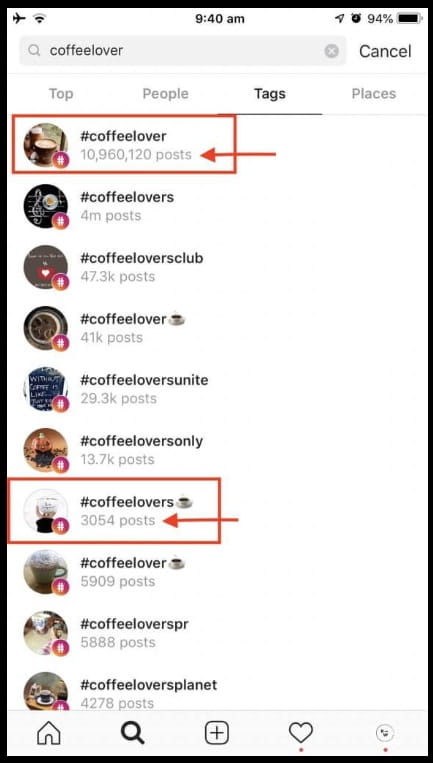
A common trap is the emoji-decorated version of a tag: the same keyword with icons added. These variants can look like easy openings because the post count is low, but almost nobody browses them. They are often cosmetic duplicates, not real communities.
The way to spot fake entry points is simple: remove decorated variants from your list and see what remains. If a niche drops from a dozen “small tags” to one, the niche may not have a real long tail. It only had formatting tricks.
A low number is not automatically bad. A fake number is.
Why Measuring Reel Performance Beats Repeating Common Advice
A lot of Instagram advice spreads because it sounds plausible, not because it is measured.
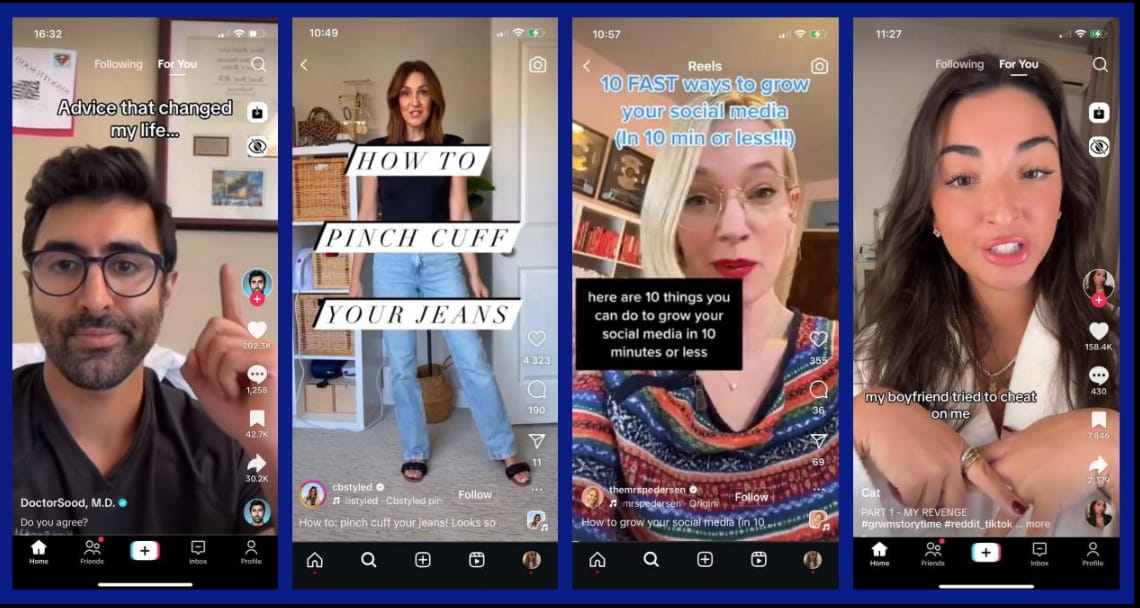
One useful approach is to take a large sample of real reels, keep their actual play counts, and sort by a single variable at a time. Hook style is a good place to start because it changes behavior immediately: whether someone keeps watching or scrolls.
When advice is repeated for years, it can start to feel true. Data has a way of correcting that.
Hook Styles Compared What the Data Shows
When 1,018 real reels across 70 niches were analyzed by the first line, a clear pattern showed up.
Question-based openings, one of the most commonly taught styles, produced a median of 5,880 plays. The median across the full sample was 9,324 plays. That puts question hooks meaningfully below the typical result.
This does not mean questions never work. It means the “default” coaching suggestion is not automatically the safest choice, especially if your goal is consistent baseline performance.
Sometimes the popular trick is simply popular.
Why First Person Openers Outperform Questions
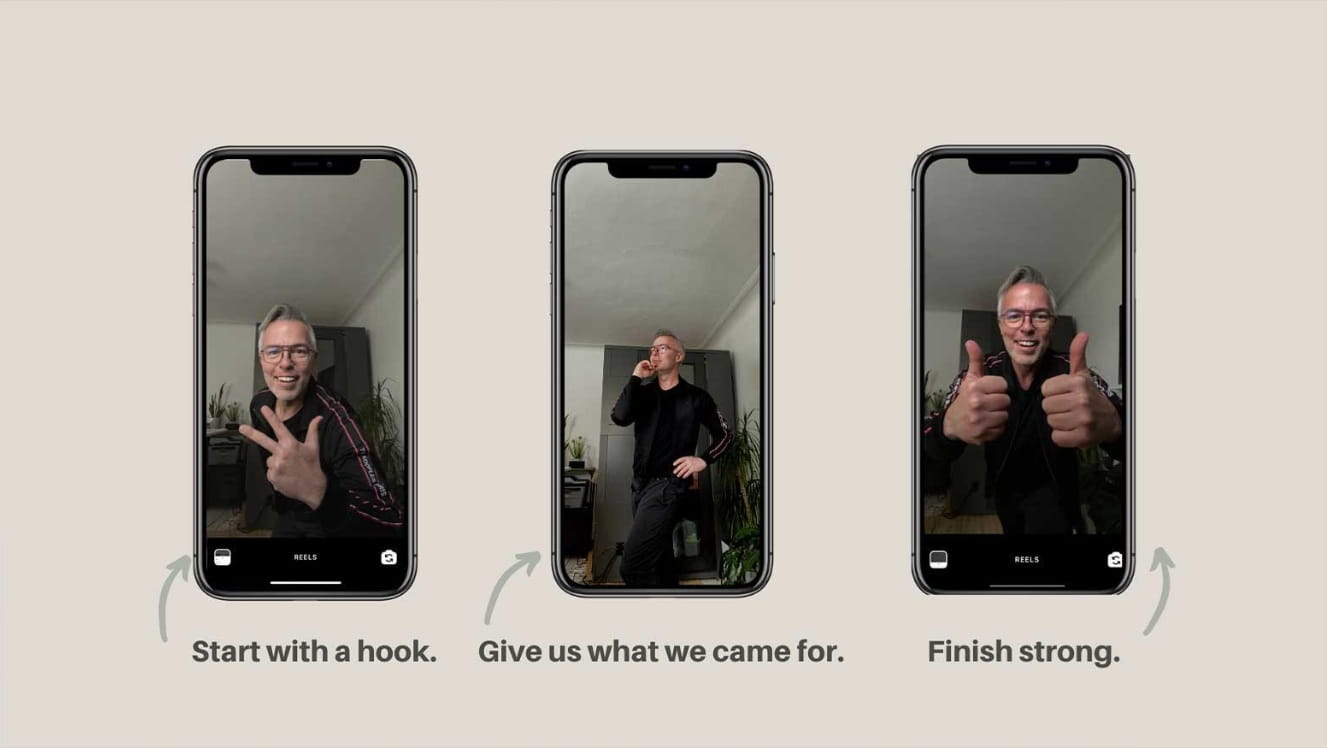
The strongest hook style in the measured set was first person: reels that start with “I” or “My.” They produced a median of 15,591 plays.
There is a reason this can work across many niches. First-person openers signal specificity and lived experience. They sound like a story beginning, not a pitch beginning. They also reduce mental effort for the viewer; the line feels concrete rather than hypothetical.
They are also easier to write. You do not need a clever angle. You need a true sentence about what you did, learned, fixed, tested, or noticed.
Short example: “I stopped doing this and my views doubled.”
Ideal Reel Length Based on 1,018 Real Reels
Length matters, and the results push back against the assumption that shorter is always better.
Reels in the 30 to 60 second range outperformed clips under 15 seconds by a wide margin in the measured data. That suggests that if your topic needs context, speed alone will not save it. A slightly longer reel can earn more watch time if the structure holds attention.
A longer reel is not permission to ramble.
It is permission to explain.
Caption Length That Performs Best and Why It Works
Captions showed a sweet spot too.
In the same analysis, captions between 80 and 200 characters beat both very short captions and long captions over 500 characters. That range is long enough to add context, reinforce the point of the reel, or include a simple call-to-action, without asking the viewer to read a mini essay.
This length also fits how people use Instagram: quick scanning, quick reactions, and fast decisions about whether to comment, save, or share.
A caption can be small and still do its job.
Putting It Together A Practical Instagram Growth Workflow
A practical workflow combines niche selection, hashtag mapping, and content structure, then turns it into a repeatable schedule.
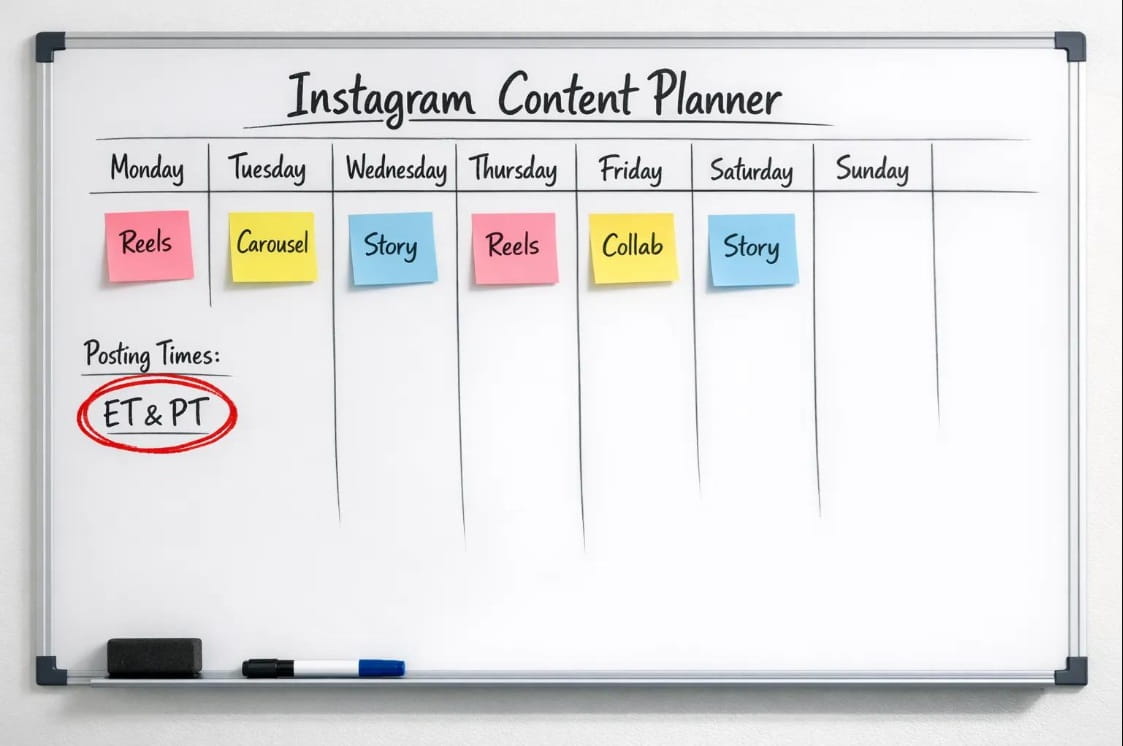
Start by picking a niche that has a real long tail: at least fifteen relevant hashtags under 50,000 posts, after removing emoji variants. Then build a posting plan where each reel has a clear opening line, a focused point, and a length that matches the topic, often landing in that 30 to 60 second range.
Write captions in the 80 to 200 character range to add clarity and nudge engagement without demanding attention.
Then repeat. Repetition is the engine.
Solving Consistency The Real Reason Accounts Stall
Many accounts do not fail because the niche was wrong.
They stall because consistency breaks. People post a few times, run out of ideas, get busy, or wait for motivation. The algorithm never gets enough regular data to understand the account, and the audience never gets enough repetition to form a habit of watching.
Consistency is rarely a discipline problem alone. It is often a workflow problem: too many steps, too much friction, too much effort per post.
If posting depends on mood, it will eventually stop.
AIGrampa is built to remove the bottlenecks that kill consistency on Instagram.
It automates the loop: writing captions, generating reels and images, maintaining a consistent AI persona so the account reads like one voice, queuing content in a calendar, publishing on schedule, and replying to comments around the clock.
That matters because growth is often a volume-and-quality problem over time. You need enough good attempts to learn what your audience responds to, and you need the attempts to keep coming even when you are busy.
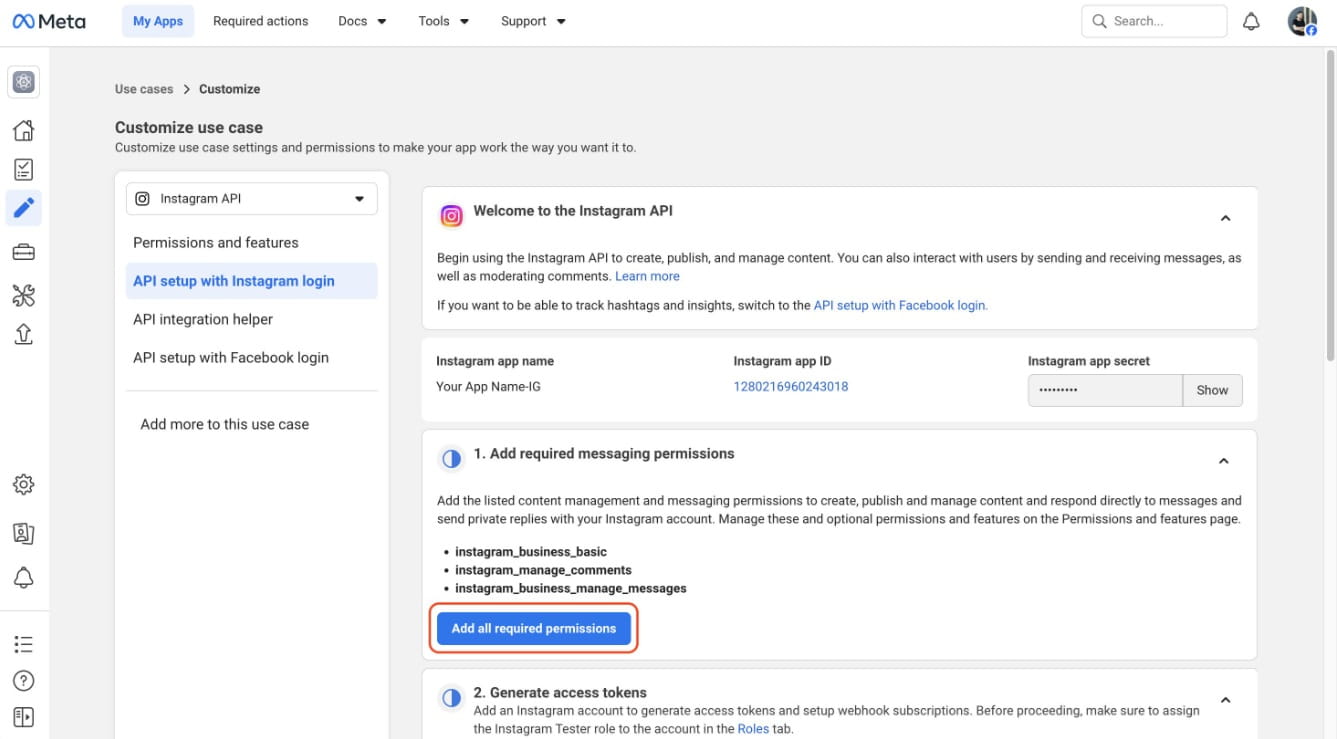
Safe Automation Using the Official Meta API
Automation can be risky if it relies on unofficial tools that trigger account flags.
AIGrampa operates through the official Meta API. That distinction is not a technical footnote; it is the difference between automation that fits platform rules and automation that can create avoidable account trouble.
For anyone running a brand account or building a long-term asset, safety is part of the strategy.
Use Cases Batch Content Faceless Accounts and Always On Replies
The most practical uses are simple and operational.
Batch production is one. If you choose a niche with workable long tail hashtags, you can produce a month of reels in a single afternoon, schedule them, and remove daily decision-making from the process.
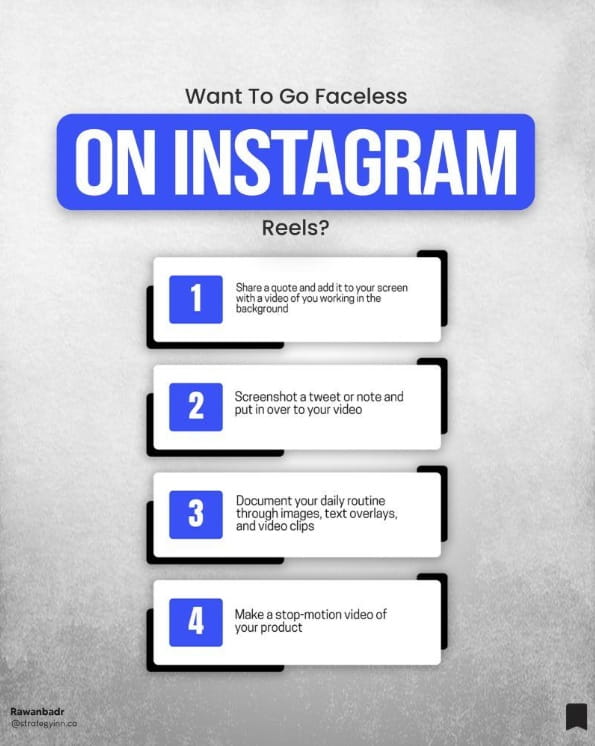
Faceless accounts are another. Quote videos and stock footage can run without camera time or voice recording, while still maintaining a consistent persona and posting rhythm.
Always-on replies can keep engagement active overnight. When comments get responses while you sleep, yesterday’s post can continue collecting interaction signals instead of going quiet after a few hours.
That is what turns good strategy into sustained output.