

Why Perfect Can Become the Real Problem
Perfect is often treated like a virtue. We are taught to improve, refine, double-check, and avoid mistakes. But there is a point where high standards stop helping and start becoming a barrier.
The desire to get every detail right can quietly become the reason nothing ships, nothing gets shared, and no one gets helped. In practice, “perfect” is often a moving target. Every time you get close, you notice another detail that could be improved.
This is where overcoming perfectionism becomes important, especially when you are trying to build something online. Whether you are creating content, developing a product, starting a business, or learning affiliate marketing, waiting until everything feels perfect can keep you stuck much longer than necessary.
The real problem is timing. The chance to make a difference is usually available now, not someday after the tenth revision. Many useful ideas never reach the people who need them because their creator is still polishing, tweaking, and waiting for a feeling of certainty that rarely arrives.
Don’t wait for perfect.
Perfectionism vs. Progress in Real Life

Perfectionism promises safety: fewer critics, fewer mistakes, and fewer awkward first attempts. Progress promises something different—contact with reality.
Real life rewards motion because motion creates feedback, and feedback creates improvement. The difference is not about abandoning your standards. It is about recognizing when those standards become an excuse to avoid taking action.
Progress can look messy at first. Your first video may have uneven audio. Your first email sequence may not convert particularly well. Your first landing page may confuse some visitors. Your first attempts at affiliate marketing for beginners may generate few clicks and perhaps no sales.
But every one of those imperfect attempts produces something valuable: information.
You discover what your audience wants, what people ignore, which headlines attract attention, which affiliate marketing links receive clicks, and which recommendations generate interest. You cannot obtain all of that information by thinking about what might happen.
Perfectionism often hides behind respectable language:
“I’m still researching.”
“I’m refining my offer.”
“I need to learn more first.”
“I’ll publish it when the website is finished.”
Sometimes those statements are legitimate. But sometimes they are fear wearing professional clothing.
How Waiting for Perfect Costs People Today

Waiting has a cost that is easy to overlook: the people who could have benefited yesterday.
If a tip, tool, tutorial, or recommendation could have saved someone time, money, or stress, delaying that information is not always neutral. The opportunity to help existed, and it passed quietly.
There is also a personal cost. Years can disappear into preparation. Drafts multiply. Notes stack up. The creator becomes skilled at planning but hesitant at publishing.
That habit can affect careers, businesses, and confidence because self-trust is often built by finishing, not endlessly refining.
This applies particularly well to an affiliate marketing business. Someone may spend months researching the top 10 affiliate marketing websites, comparing affiliate marketing companies, studying different affiliate marketing programs, and searching for the best affiliate marketing websites before publishing a single piece of useful content.
Research matters, but at some point research needs to become action.
A beginner searching for guidance today may stop searching next month. A buyer with an urgent need may choose a different solution tomorrow. The moment where your work could have mattered most is frequently a narrow window.
What Gets Remembered Is Who You Served
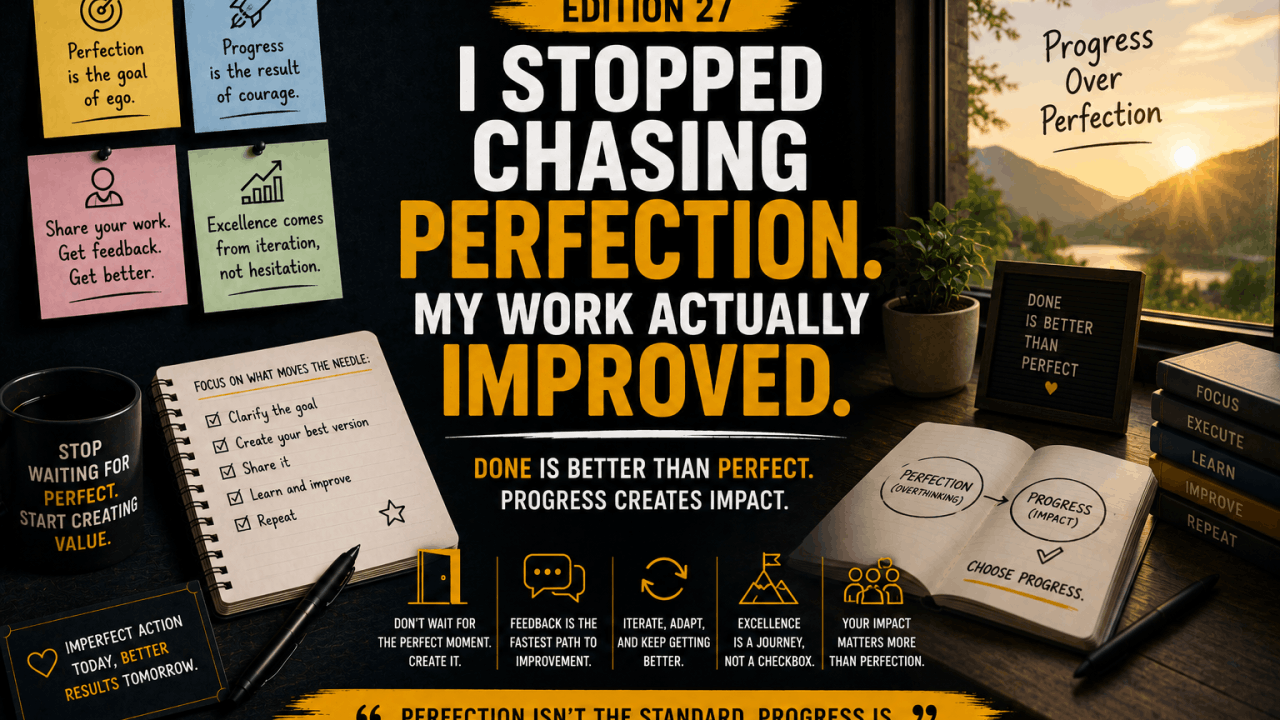
Many people assume legacy is about output quality: the cleanest design, smartest writing, most polished presentation, or most impressive website.
Yet what tends to remain in people’s memories is impact.
People rarely retell the story of a perfectly formatted checklist. They remember the tutorial that solved their problem, the comparison that saved them money, or the recommendation that helped them make a better decision.
The finest work you create may never be praised for its perfection. It may instead be appreciated because it arrived at exactly the right moment and met a genuine need.
A simple tutorial explaining what is affiliate marketing and how does it work could help a complete beginner take their first step. A straightforward article offering affiliate marketing explained in everyday language may be more useful than a massive guide that takes six months to publish.
Service sticks.
Perfection fades.
The Legacy Shift From What You Create to Who You Help

A useful mental shift is to separate the artifact from the outcome.
The artifact is what you create: a post, video, guide, email, review, product recommendation, or website.
The outcome is what changes for someone else: greater clarity, saved effort, fewer mistakes, or the confidence to act.
When you define success primarily by the artifact, you can become preoccupied with finishing touches. When you define success by the outcome, you become focused on usefulness.
That does not mean lowering standards. It means directing your standards toward the reader’s experience instead of your own anxiety.
A creator can ask:
“Is this flawless?”
Or:
“Will this help someone today?”
The second question tends to produce work that ships, improves, and reaches people. Over time, that becomes a legacy—not simply a catalog of what you created, but a trail of people who benefited from it.
The Final Sword Story and the Core Lesson

The message is captured in a story titled “The Final Sword.”
Even without recounting every plot point, the central lesson is clear: an obsession with crafting the perfect thing can cause you to miss the moment when that thing was meant to be used.
The point of the sword is not to remain forever in the workshop being polished. It exists to serve a purpose and matter in the real world.
Stories like this work because they simplify a complicated human habit. They demonstrate how easy it is to confuse refinement with responsibility.
They also highlight an uncomfortable truth: impact is time-sensitive.
The “final” version can arrive too late to accomplish what it was designed to do.
The lesson is not to rush carelessly.
The lesson is to finish in time to help.
Why This Message Fits Affiliate Marketing So Well

So, what is affiliate marketing and how does it work?
At its simplest, the affiliate marketing definition is a performance-based business model in which a person or business promotes another company’s product or service and may earn a commission when a specific action or sale occurs through their referral.
That is the technical affiliate marketing meaning, but there is another way to look at it.
Affiliate marketing can be a service business in disguise.
On the surface, affiliate marketing online involves content, products, commissions, and affiliate links. Underneath, successful affiliate content is often about guiding someone toward a decision that may improve their situation.
That guidance only has value if it reaches the person while they are still deciding.
Perfectionism appears here in many forms: waiting until you discover the perfect niche, building the perfect website before publishing, endlessly rewriting reviews, spending weeks comparing affiliate marketing niches, or refusing to begin until you understand every available platform.
Someone starting out might also believe they need expensive affiliate marketing software, sophisticated affiliate marketing tools, or access to a large affiliate marketing network before creating anything.
Those resources can certainly become useful, but they should not become another reason to delay.
Affiliate Marketing for Beginners: Learn by Doing

If you are wondering how does affiliate marketing work in practice, the basic cycle is relatively straightforward: choose an audience, understand a problem, create useful content around that problem, recommend relevant solutions, and improve based on what your audience does.
There are many different affiliate marketing opportunities, from recommending everyday products to software, educational services, digital products, and specialized services.
There are also different strategies.
Some creators focus on high ticket affiliate marketing, where fewer conversions may generate larger commissions. Others publish product comparisons or tutorials. Another growing area is AI affiliate marketing, where creators build content around artificial intelligence tools, platforms, and related services.
You can find countless affiliate marketing examples, but copying someone else’s strategy perfectly is rarely the answer.
Your advantage comes from publishing, measuring, learning, and adapting.
This is also why endless debates about affiliate marketing vs digital marketing can become another distraction. Affiliate marketing can be one component of a broader digital marketing strategy. The important question for a beginner is not which label sounds better, but which approach helps them create genuine value for an audience.
Practical Ways to Start Before You Feel Ready

Start with the smallest version that still helps.
Write a short guide answering one specific question clearly. Record a simple video demonstrating one step. Create an email that directs someone toward the next useful action. Then release it.
If you need affiliate marketing training, learn enough to understand the fundamentals and begin applying them. Do not turn education into an endless waiting room where you continually consume courses but never implement anything.
Give yourself a deadline that forces a decision. Deadlines are not only about speed; they reduce the amount of space where fear can negotiate.
If you have a week, you can easily fill a week. If you have one day, you are forced to identify what actually matters.
Use a “version one” mindset.
Version one is allowed to be plain. It should be accurate, understandable, useful, and aligned with your values. It does not need to impress everyone.
Ask for feedback early. A small amount of real audience feedback is often more valuable than your hundredth private revision.
Keep a running list of questions you receive. Each question represents content validated by real demand. Answer those questions first.
Keeping Quality High Without Getting Stuck

Moving quickly does not mean publishing low-quality work.
High quality does not require endless polishing; it requires a clear standard.
Define what “good enough to publish” means. For example:
- Is the main point clear within the first few lines?
- Are the important facts accurate?
- Did I remove unnecessary information?
- Are recommendations transparent and genuinely useful?
- Does the reader understand what to do next?
Then publish.
Limit your revision cycles. Decide that you will edit twice and release the content. Alternatively, give yourself a fixed amount of editing time.
Constraints protect you from endless tinkering.
Separate creation from refinement as well. Draft without constantly judging every sentence, then edit afterward. Mixing the two processes can trigger perfectionism because your critical mind continually interrupts your creative one.
Serving First as a Simple Content and Business Filter
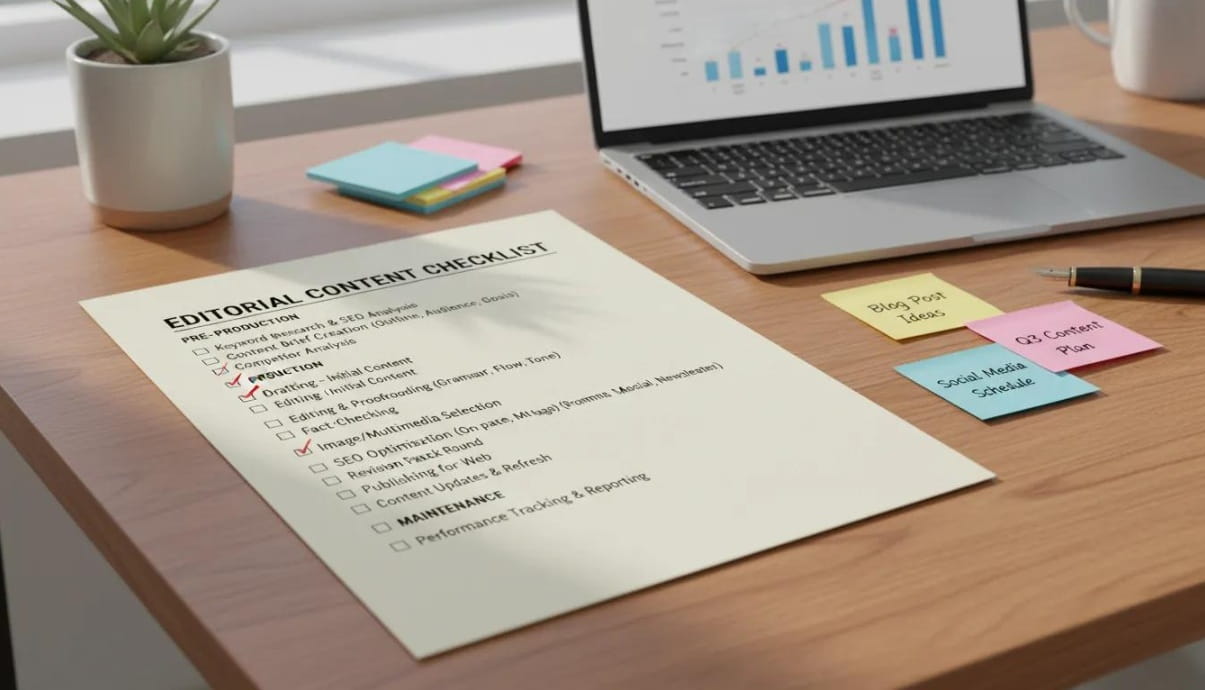
Service can become a practical filter for your decisions.
Before adding another feature, section, paragraph, or product, ask:
Does this serve the reader’s goal, or does it simply serve my desire to appear thorough?
This question is particularly useful when selecting products and affiliate marketing programs.
Choose offers you would feel comfortable recommending to someone you know who has the same problem as your audience. Avoid filling an article with unnecessary links simply to increase the possibility of earning a commission.
The same principle applies when choosing affiliate marketing websites or working with different affiliate marketing companies. A large commission does not automatically make an offer appropriate for your audience.
Trust is worth more than a short-term conversion.
Serving first reduces noise. It guides which topics you cover, which products you recommend, and which tone you use. It keeps your work grounded in real outcomes instead of personal perfection.
Is Affiliate Marketing Worth It?

This brings us to another common question: is affiliate marketing worth it?
The answer depends heavily on expectations.
If someone expects to publish a few links and immediately generate substantial passive income, reality may disappoint them. Affiliate marketing usually requires content, audience understanding, testing, consistency, and patience.
But if you approach affiliate marketing as a long-term business where useful content connects people with relevant solutions, the model offers significant flexibility.
And this brings us directly back to perfectionism.
You do not need the perfect business before beginning.
You need something useful enough to test.
Your first article gives you information for your second. Your first video teaches you something about your next video. Your first clicks reveal something about your audience. Your first failed promotion can teach you more than weeks of speculation.
Progress compounds when you allow yourself to begin.
A Clear Moral You Can Act On Today

The moral is simple: your greatest legacy is not what you create; it is the lives you change through what you create.
That shift changes how you work.
Instead of asking whether everything is perfect, ask whether what you have created is accurate, honest, useful, and ready to help someone.
If you are considering an online business, researching affiliate marketing for beginners, evaluating different affiliate marketing opportunities, or simply sitting on an idea you have been afraid to publish, choose one useful action today.
Take one idea you have been polishing.
Make it useful.
Publish it.
Then improve it after someone has actually had the opportunity to benefit from it.
Perfection can wait.
People can’t.